
Discover the ultimate clarity with Elactree’s extensive collection of premium projectors.
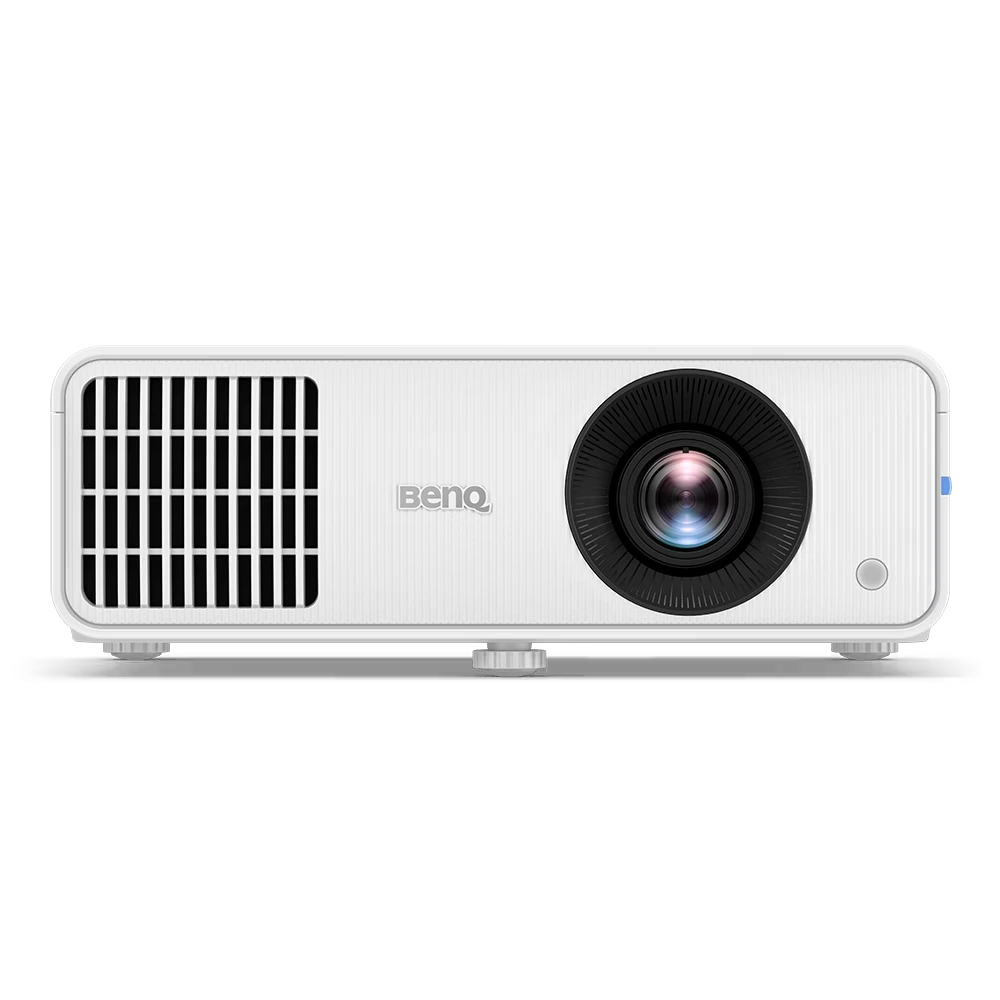
The BenQ LW650 is a business-grade WXGA laser projector designed for meeting rooms and conference spaces. It delivers 4000 ANSI lumens brightness, a long-lasting 20,000-hour...
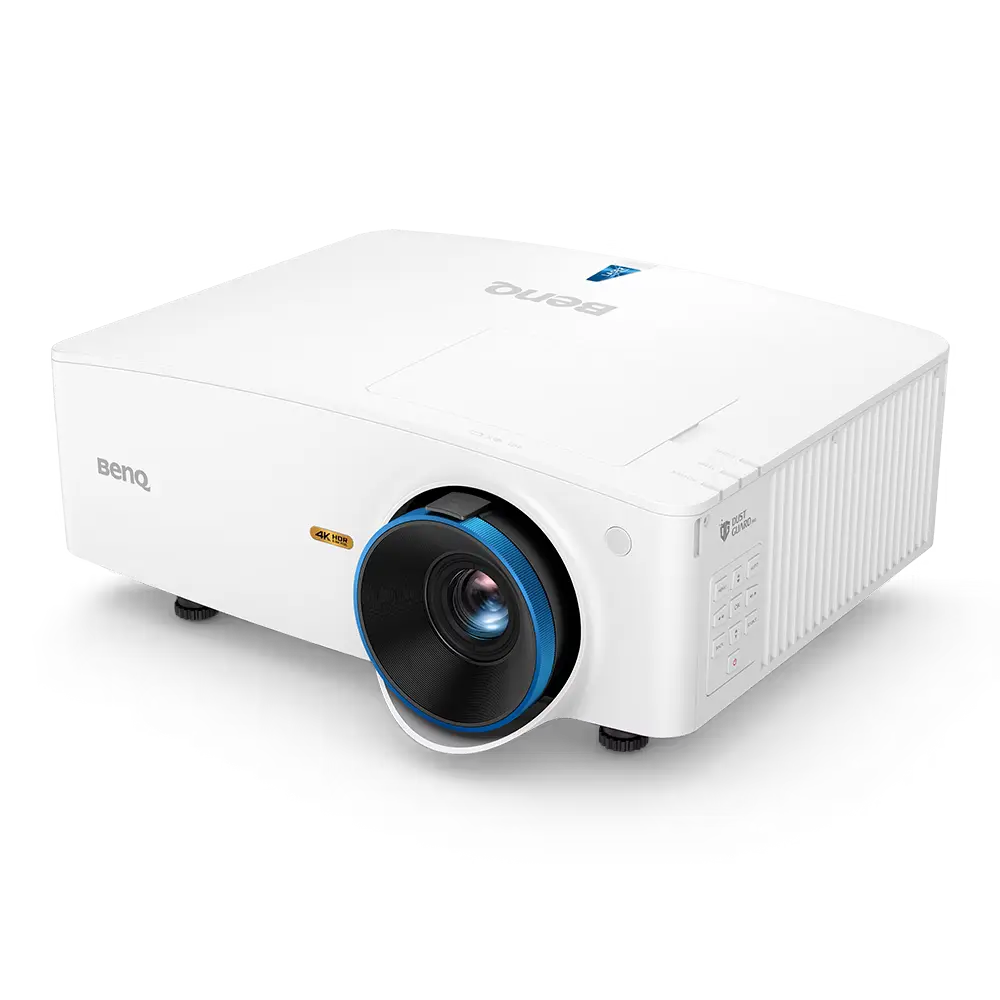
The BenQ LK935 is a premium 5500 ANSI Lumen 4K UHD laser projector engineered for conference rooms, boardrooms, and corporate collaboration spaces. Featuring true 4K...
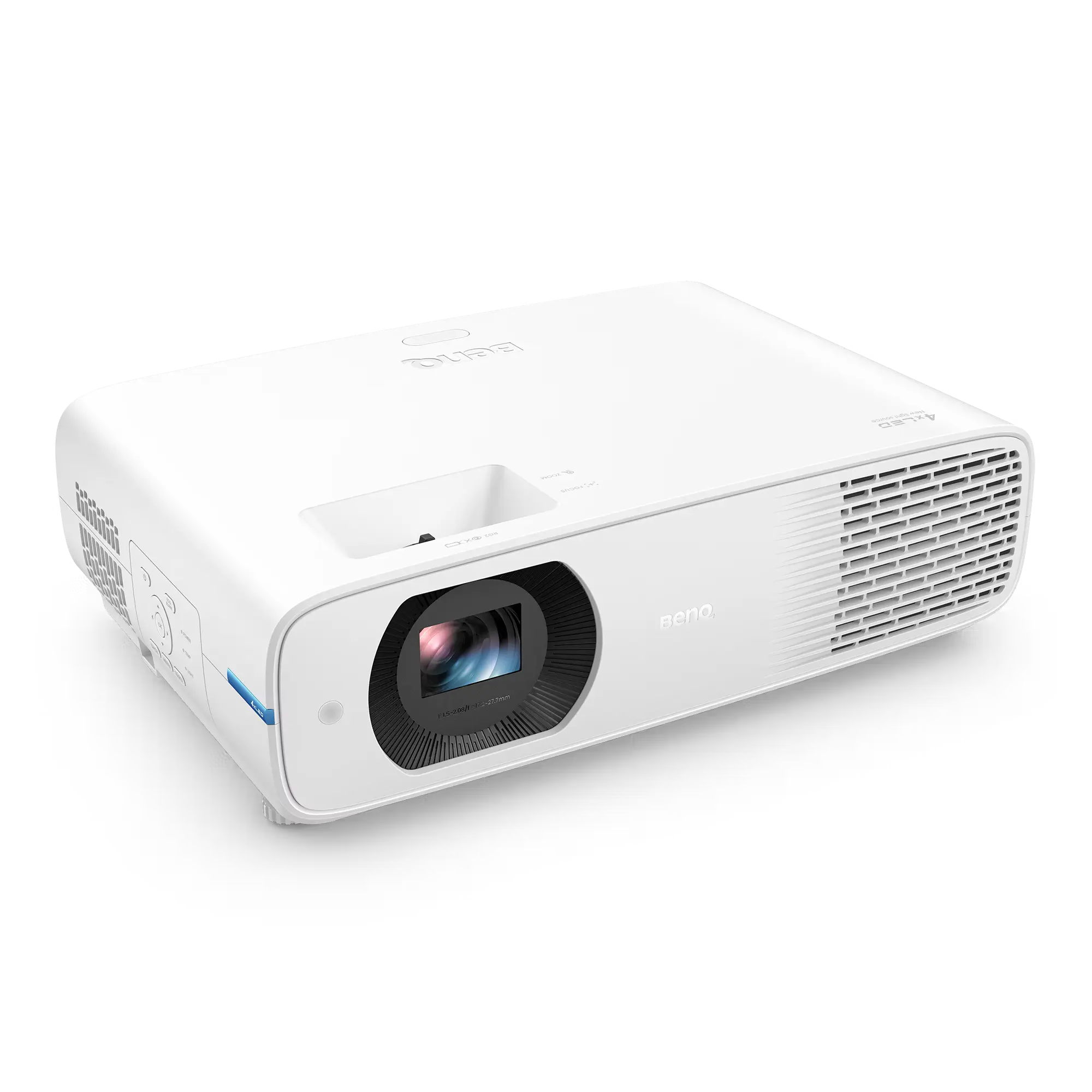
The BenQ LH750 is a high-brightness Full HD LED conference room projector designed for professional presentations and business meeting spaces. Featuring 5,000 ANSI lumens, 98%...
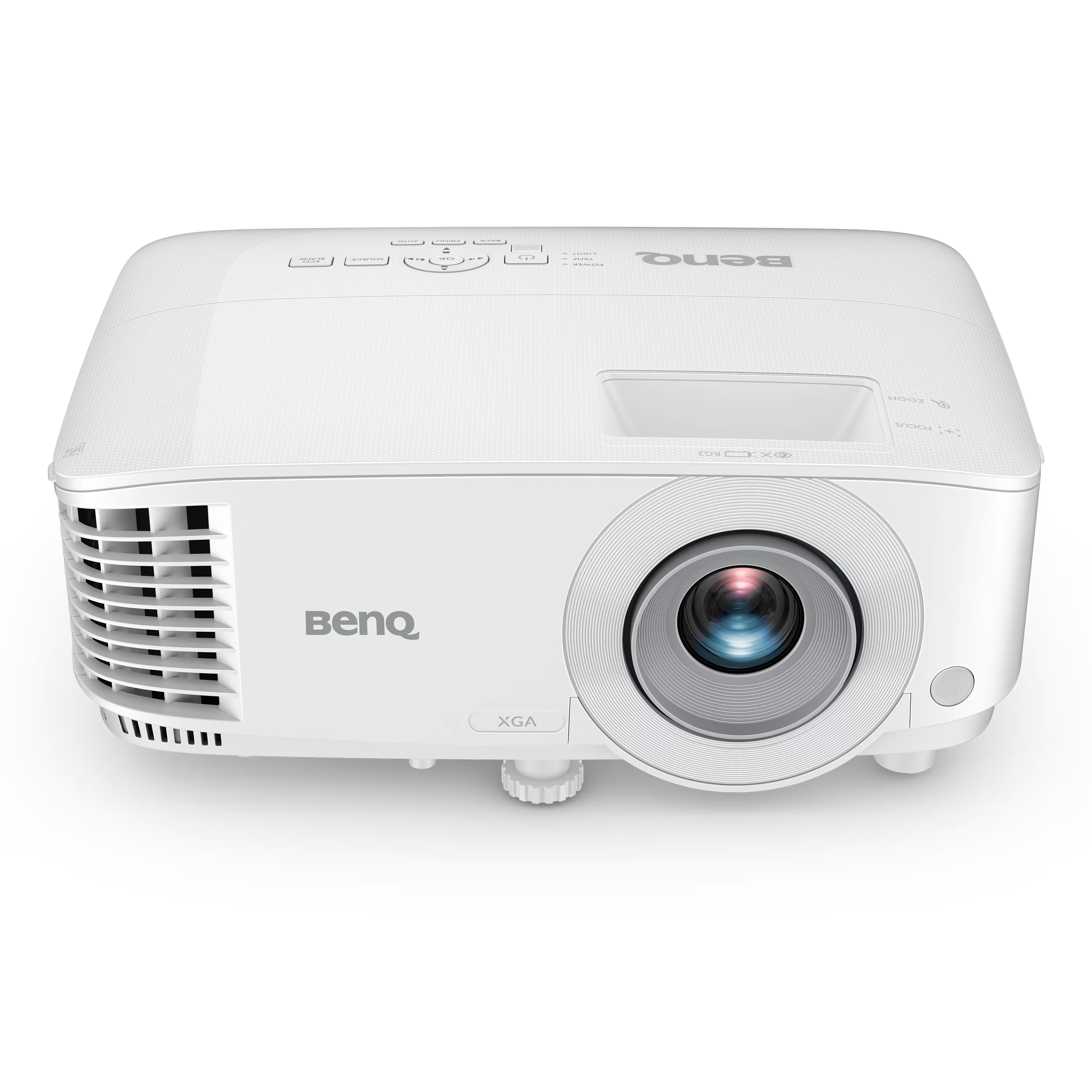
The BenQ MX560C is a high-brightness 4000 ANSI Lumens XGA business projector designed for classrooms, meeting rooms, and presentations. Featuring a 20,000:1 contrast ratio, SmartEco...
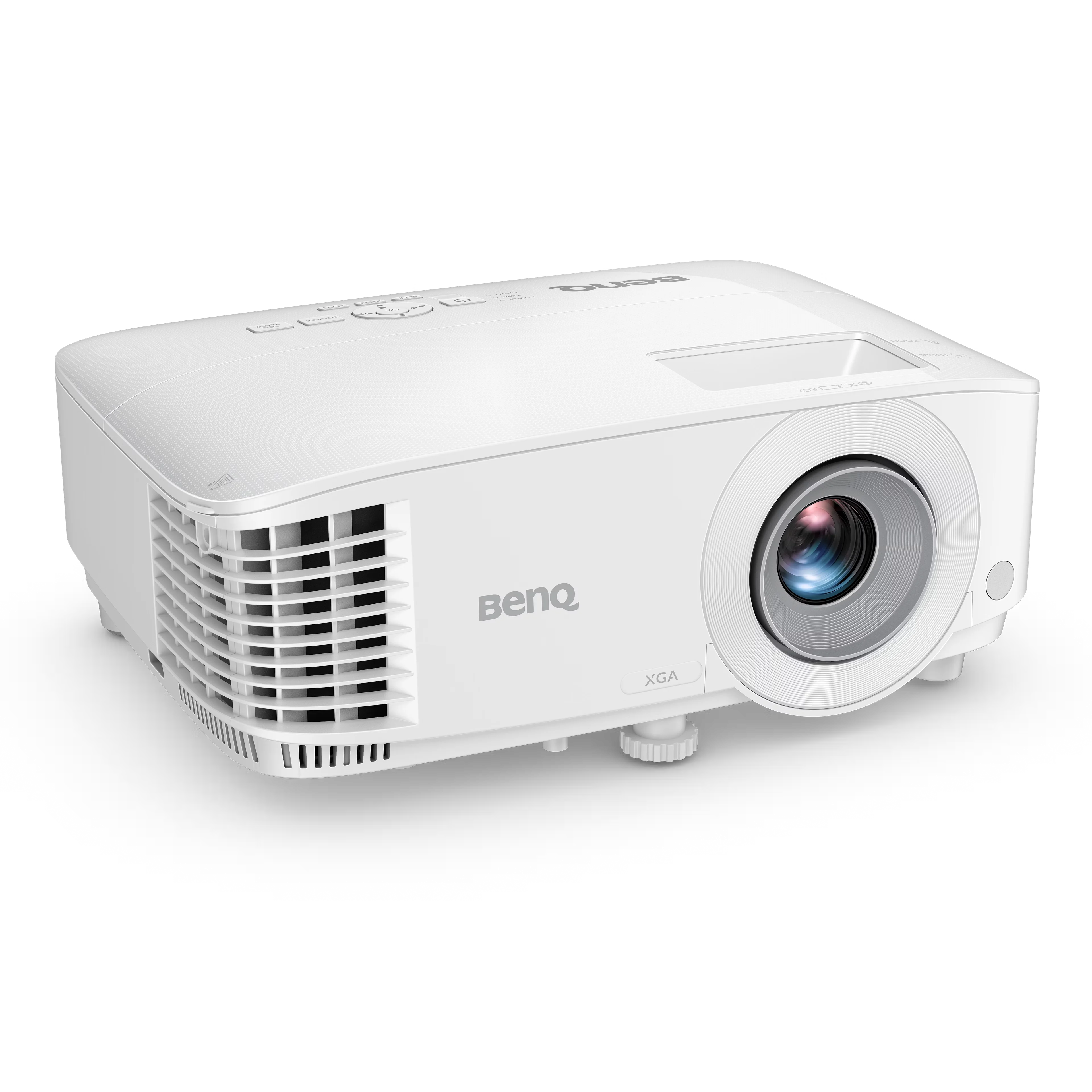
The BenQ MW560C is a high-brightness 4000 ANSI Lumens WXGA business projector designed for meeting rooms, classrooms, and professional presentations. Featuring a 20,000:1 contrast ratio,...
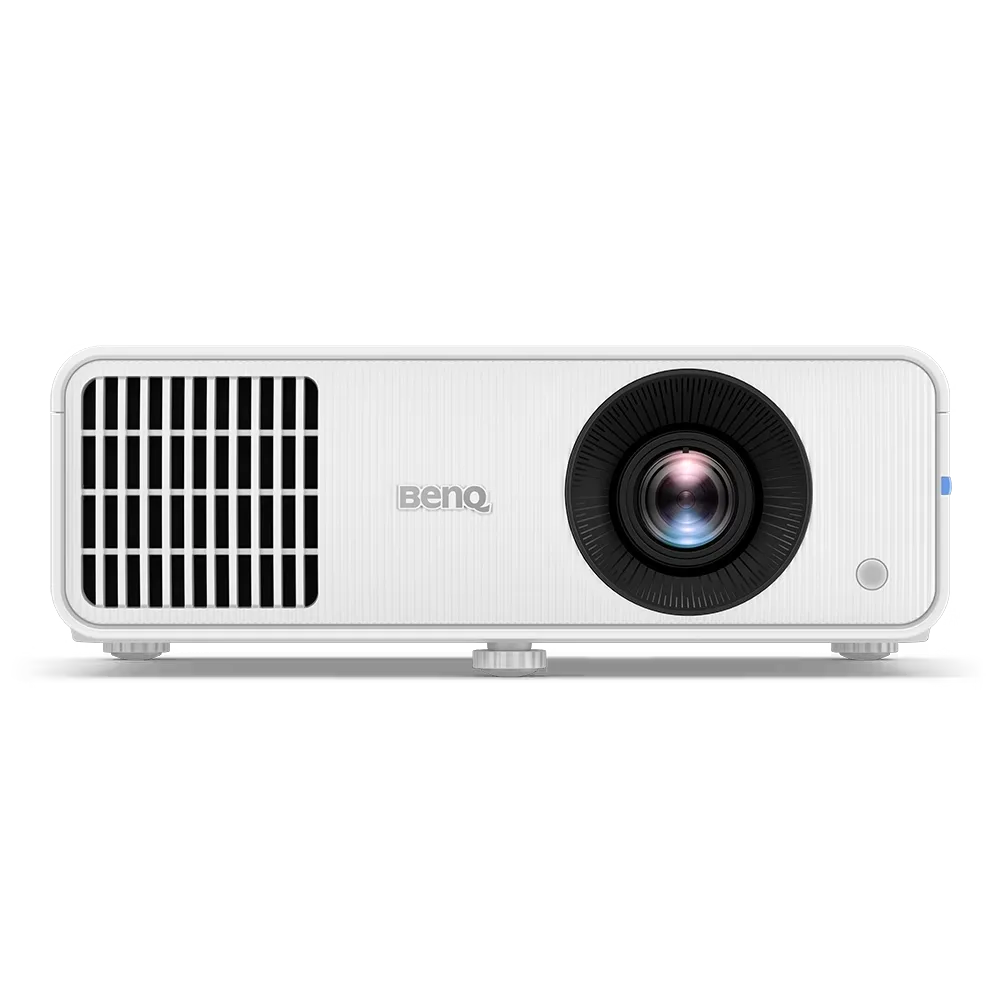
The BenQ LH650 is a 4000 ANSI Lumens Full HD (1920×1080) laser projector designed for modern meeting rooms and business presentations. Featuring a maintenance-free laser...
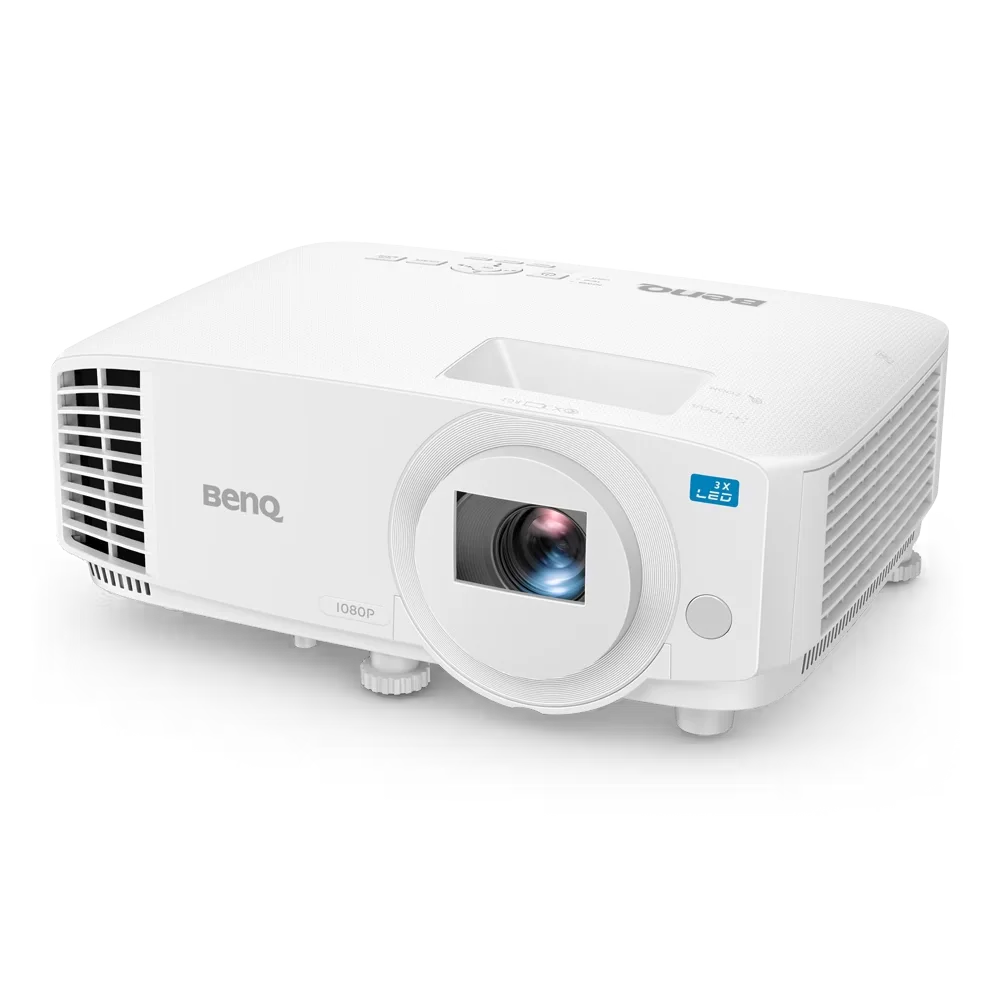
The BenQ LH500 is a Full HD LED meeting room projector designed for professional presentations and collaborative workspaces. It delivers 2000 ANSI Lumens brightness, 1920×1080...
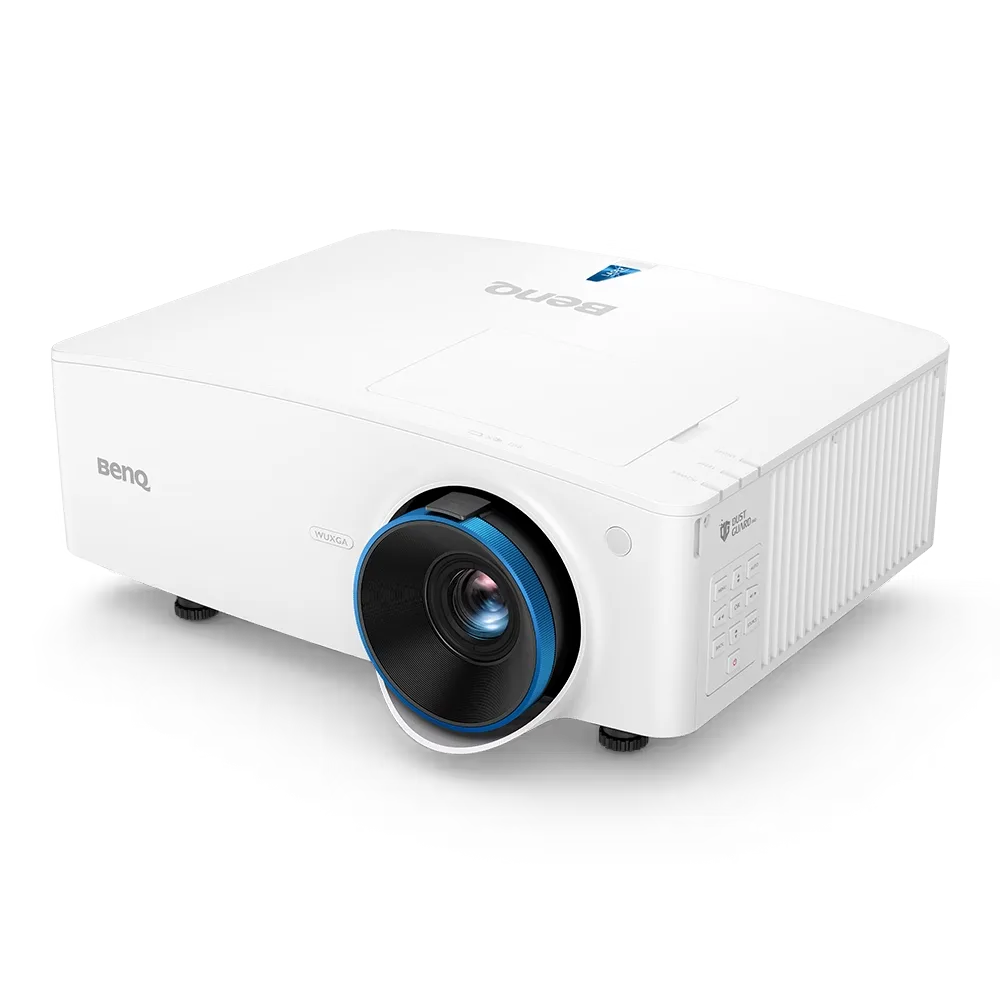
The BenQ LU935 is a professional-grade 6000 ANSI Lumens WUXGA laser projector designed for conference rooms, boardrooms, higher education, and large meeting spaces. It features...
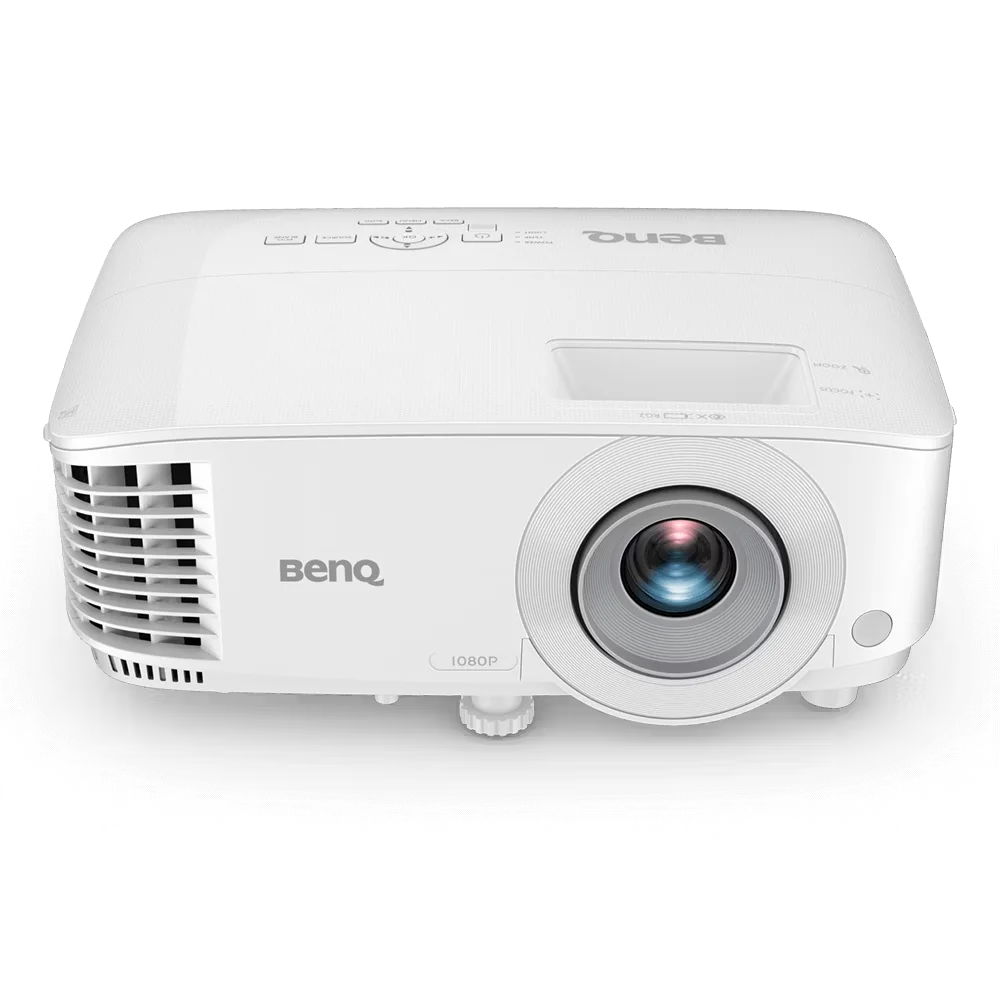
The BenQ MH560 is a Full HD 1080p business projector designed for meeting rooms, conference spaces, and classrooms. It delivers 3800 ANSI lumens brightness with...
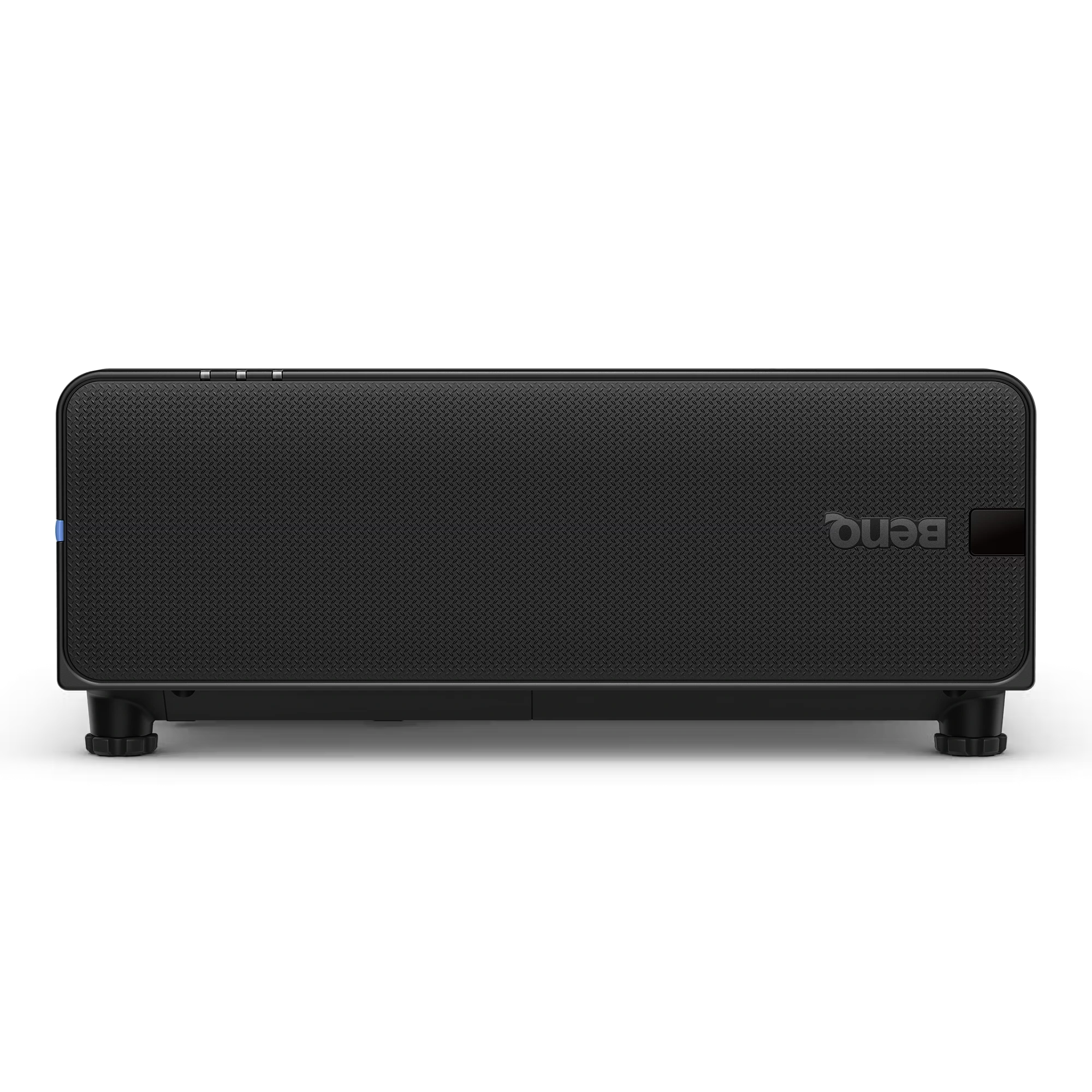
The BenQ LU895UST is a professional 5000 ANSI Lumen WUXGA laser simulation projector designed for immersive environments, museums, simulation centers, exhibitions, and experience zones. Featuring...

Choose the GV50P if you want portability, built-in streaming, battery operation and flexible positioning. If your priority is maximum brightness for a room with significant...

The BenQ GV50 is a premium FHD (1080p) Smart Laser Portable Projector engineered for flexible, immersive entertainment anywhere. It delivers 500 ANSI lumens of brightness...
Finding the right display when you buy projector online comes down to balancing raw performance against practical room constraints. A model marketed with exceptional brightness on paper may produce washed-out colors when used in standard daytime living conditions, while an entry-level unit might lack the physical throw flexibility or zoom range required for your apartment layout.
Indian buyers encounter specific environmental and electrical hurdles—heavy dust ingress, high ambient light levels during daylight hours, and parallel import listings that omit local warranty coverage. Choosing a dependable system means cutting through marketing jargon to match panel resolution, lamp engines, throw ratios, and authorized manufacturer support with your actual viewing space.
To make a well-informed choice when buying a projector online, evaluate four critical factors first:
Measurement Standard: Look exclusively for ANSI Lumens or ISO Lumens. Disregard uncalibrated metrics like "LED Lumens" or "Peak Light Source Lumens," which can exaggerate actual screen brightness by five to ten times. For dark bedrooms, 1,000 to 1,500 ANSI lumens is adequate; for standard living rooms with indirect daylight, aim for 2,500 to 3,500 ANSI lumens.
Native Output vs. Input Support: Confirm that the display panel's physical resolution is native 1080p Full HD or 4K UHD. Budget models tagged with "4K Support" typically feature a 720p or 1080p panel that downscales high-resolution files instead of projecting them natively.
Optics and Throw Distance: Check the optical throw ratio against your available wall-to-lens clearance. Standard throw projectors require 2.5 to 3.5 meters to throw a 100-inch diagonal image, whereas Ultra-Short Throw (UST) laser systems cast the same image from 20 to 35 centimeters away.
Domestic Warranty: Verify that the merchant provides a valid GST invoice with an official Indian manufacturer warranty rather than an unauthorized parallel import.
Light Engine Type | Typical Lifespan | Screen Brightness | Best Suited For | Ongoing Maintenance |
|---|---|---|---|---|
Traditional Lamp (UHP/Halogen) | 3,000 – 6,000 hours | High (2,500 – 4,000+ ANSI) | Budget-conscious dedicated cinema rooms, classrooms | Requires periodic lamp replacements and air-filter cleans |
Solid-State LED | 20,000 – 30,000 hours | Low to Moderate (500 – 1,800 ANSI) | Dark bedrooms, compact travel use, evening casual viewing | Sealed optical blocks; virtually maintenance-free |
Laser (Single or Triple RGB) | 20,000 – 30,000 hours | High to Very High (2,200 – 4,500+ ANSI) | Living room TV replacements, ambient light, high-end theaters | Extremely low; rapid power cycles with stable color fidelity |
A modern digital projector is an optical device that takes digital video inputs from streaming adapters, satellite set-top boxes, laptops, or gaming consoles and focuses the enlarged image onto an optical screen or flat wall surface.
Current models feature onboard image-processing chipsets capable of handling HDR10 and Dolby Vision data, dynamic frame interpolation for high-speed sports, and optical or digital geometry tools (such as motorized focus, keystone correction, and physical lens shift).
Projector image quality depends heavily on the core display mechanism. Three architectures dominate the Indian market.
DLP uses an optical semiconductor containing millions of micro-mirrors mounted on hinges (a Digital Micromirror Device).
Strengths: Produces exceptional image sharpness, high pixel fill factor, and low response times suitable for gaming. Commercial cinemas rely on enterprise DLP platforms.
Limitations: Single-chip consumer variants use a spinning color wheel, which can cause fleeting color separation artifacts ("rainbow effect") for sensitive viewers.
3LCD systems split light into red, green, and blue paths using dichroic mirrors, directing each through a dedicated polysilicon panel before combining the image through a prism.
Strengths: Equal white and color brightness with zero rainbow artifacts, delivering rich, punchy saturation in rooms with moderate ambient light.
Limitations: Native contrast in light-controlled dark rooms is typically lower than dedicated DLP or LCoS cinema units, turning absolute blacks into deep charcoal grays.
Found in high-tier brands under proprietary names (like Sony SXRD or JVC D-ILA), LCoS combines liquid crystal layers on top of a highly reflective silicon backplane.
Strengths: Delivers cinema-grade native black levels, high contrast, and a smooth image structure without visible pixel boundaries.
Limitations: Carries a premium price tag, larger chassis dimensions, and generally lower raw brightness than commercial 3LCD machines.
Identifying the best 4K projector in India requires understanding how the 4K image is created:
Native 4K Panels: Features a physical chip with 3840 x 2160 individual pixel elements. This produces unmatched optical precision and texture clarity, but these units generally start at substantial price points and cater to dedicated cinema rooms.
Pixel-Shifting 4K (XPR / e-Shift): Uses a native 1080p or sub-4K microchip, shifting individual pixels rapidly across four quadrants using high-speed optical glass actuators. Because the human eye blends these overlapping frames into a single image, the viewer sees the complete 8.3 million pixels per frame. High-grade pixel-shifting units offer sharp detail at typical sofa viewing distances at a much lower cost.
Setting up a dedicated 3D projector in India requires matching your hardware to specific viewing requirements:
Active Shutter Sync: Most modern 3D consumer units rely on DLP-Link or RF active shutter glasses. These battery-powered lenses rapidly alternate left- and right-eye visibility in sync with the projected frame sequence.
Brightness Compensation: Active 3D glasses filter out 50% to 60% of visible light. To prevent dim, lifeless 3D images, select a projector delivering at least 2,500 to 3,000 ANSI lumens.
Signal Support: Verify whether the projector’s HDMI inputs support hardware-level frame packing, side-by-side, and top-and-bottom 3D signals from 3D Blu-ray players or media servers.
The 4k projector price in India spans distinct performance tiers influenced by the light engine, lens assembly, and import duties:
Entry-level solid-state protable projectors suitable for smaller bedrooms and low-light environments. They typically output between 500 and 1,500 ANSI lumens, incorporate onboard Android streaming interfaces, and offer basic digital keystone adjustment.
The standard segment for dual-use living rooms. These DLP and 3LCD projectors deliver 2,200 to 3,500 ANSI lumens, broad DCI-P3 color coverage, dedicated low-latency gaming modes (under 20ms), and optical zoom lenses.
These systems utilize solid-state blue or triple RGB lasers with life ratings exceeding 20,000 hours. Positioned directly beneath the wall on a credenza, a UST projector paired with a lenticular Ambient Light Rejecting (ALR) screen serves as an effective living room TV alternative.
Flagship installations for dedicated, dark home theaters. These units use premium all-glass optical assemblies, motorized lens shift memory for widescreen aspect ratios, and deep native black levels.
A projector's real-world picture quality depends as much on the room environment as the machine itself.
Darkened Rooms: 1,200 to 1,800 ANSI lumens produces punchy dynamic contrast without raising black floor levels.
Daytime Living Rooms: Requires 2,500 to 3,500 ANSI lumens. Even bright projectors cannot overcome direct sun hitting a surface; north- or west-facing windows need blackout shades or optical ALR screen fabrics.
Standard Throw (1.2:1 to 1.5:1): Requires 2.6 to 3.3 meters of distance to cast a 100-inch image. Best for ceiling-mounted or rear-shelf installations.
Short Throw (0.5:1 to 0.8:1): Projects a 100-inch image from 1.1 to 1.8 meters away.
Ultra-Short Throw (0.17:1 to 0.25:1): Projects a 100-inch picture from 15 to 30 cm away from the surface, eliminating shadows caused by people walking across the room.
Lumen Calibration: Confirm the listing states "ANSI Lumens" or "ISO Lumens," not undefined unit metrics.
Optical vs. Digital Adjustments: Optical zoom and mechanical lens shift preserve the full pixel grid. Digital keystone correction compresses the image electronically, which reduces resolution and adds processing latency.
Dust Resistance: Look for an IP5X-certified sealed optical block. Unsealed cooling fans draw airborne particles onto optical elements, causing blurry dark spots ("dust blobs") on the display.
Acoustic Noise: Look for cooling fan ratings below 28–30 dB in low-power modes to avoid audible fan whine during quiet dialogue.
Local Service Networks: Confirm whether the brand provides official warranty service centers within India or requires overseas shipping for warranty repairs.
Superior Screen Scale: Delivers 100 to 150 inches of display area at a fraction of the cost of a comparable commercial television.
Diffused Reflection: The human eye processes reflected light from a screen rather than direct light from an LED backlight, resulting in less visual fatigue during lengthy viewing sessions.
Minimalist Aesthetics: A retractable motorized screen rolls into the ceiling when turned off, keeping your walls clear.
Ambient Light Limitations: Contrast washes out if ambient daylight is left unmanaged.
Audio Requirements: Built-in speakers on most projectors are modest; plan for an external soundbar or dedicated AV receiver.
Placement Requirements: Achieving clean geometry requires careful physical alignment or precision screen mounting.
When preparing to buy a projector online, let your room setup guide your budget:
For bedrooms and rental homes, a 1080p LED projector priced between ₹30,000 and ₹55,000 provides good color, low operational heat, and simple setup.
For a main living room, choose a high-output pixel-shifting 4K DLP or 3LCD laser model (or a UST laser projector) paired with an ALR screen to handle ambient lighting.
For a dedicated home theater, prioritize native contrast, low black floor levels, and optical lens shifting over extreme lumen counts. Always check for authorized Indian distributor billing to secure your warranty coverage.
Yes, but picture quality will be compromised. Interior wall paint absorbs light unevenly, reveals plaster texture, and flattens contrast. A dedicated projection screen or high-reflectivity projector paint provides significantly better sharpness, color accuracy, and light distribution.
A UST model is better if you want to avoid ceiling mounting, running long in-wall HDMI cables, or having viewers block the light beam. Standard-throw ceiling-mounted projectors remain more economical for dedicated cinema rooms where long throw distances are readily available.
ANSI Lumens measures average light output across nine distinct zones on a standardized white projection surface. Generic "marketing lumens" or "source lumens" usually describe peak brightness measured at the bare lamp without passing through lenses or color filters, inflating the practical rating considerably.
Yes, particularly on displays larger than 100 inches. On big screens, the pixel grid of standard 1080p output becomes noticeable from normal seating distances. Most major streaming platforms provide native 4K HDR master streams that look substantially crisper on a 4K projector.
In unsealed optical engines, cooling fans draw ambient dust onto internal LCD panels, DMD chips, and mirrors. This causes permanent dark blemishes on screen and increases internal heat. Selecting a unit with an IP5X-rated sealed optical engine helps prevent dust-related degradation.
Yes. Modern projectors include HDMI 2.0 or 2.1 inputs. For responsive console gaming, check that the unit specifies a dedicated low-input-lag gaming mode with latency below 20 milliseconds at 60Hz or 120Hz.
Solid-state laser and LED engines generally run for 20,000 to 30,000 operating hours. At four hours of viewing per day, the engine can deliver roughly 13 to 20 years of service without lamp replacements.
Yes, provided the inverter uses pure sine-wave output and has adequate wattage headroom. Traditional lamp-based projectors draw between 250W and 450W, while solid-state LED models draw much less power (typically 65W to 140W), placing minimal load on residential backup systems.